
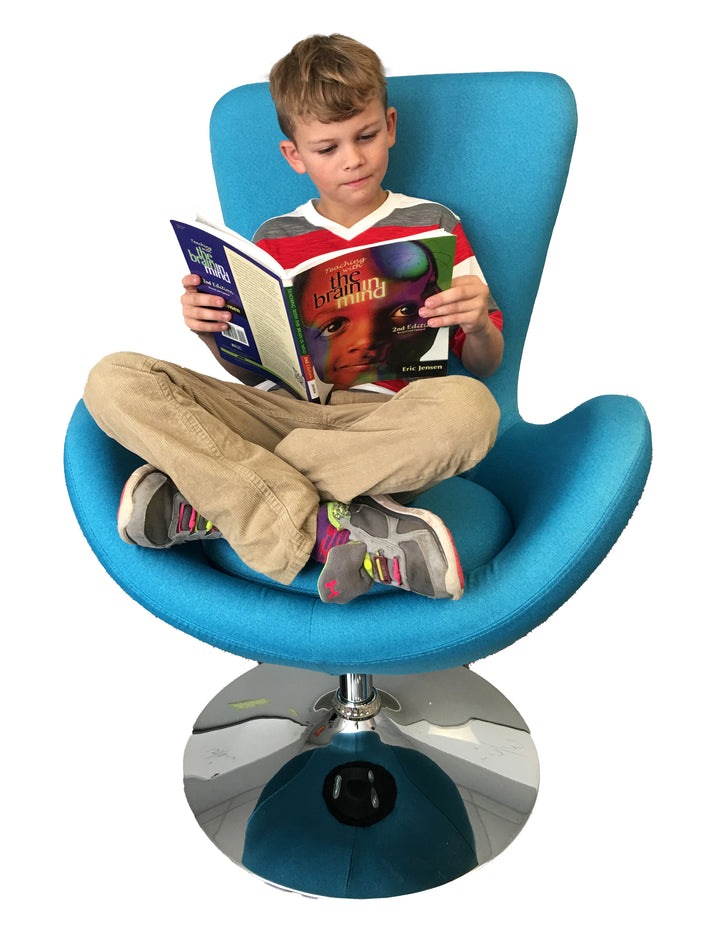
In recent years, the conversation around educational environments has evolved significantly. Traditional classroom settings, characterized by rigid seating arrangements, are increasingly being replaced with more flexible solutions. This shift is driven by research indicating that flexible seating can enhance learning outcomes, boost engagement, and cater to diverse learning styles. As educational institutions strive to create more inclusive and dynamic learning environments, flexible seating solutions have emerged as a key component. This article explores the benefits and implementation strategies of flexible seating in educational settings.
Benefits of Flexible Seating
Flexible seating offers a variety of advantages that can transform the learning experience for students. Here are some notable benefits:
- Increased Engagement: Students are more likely to participate actively when they are comfortable. Flexible seating allows them to choose where they feel most at ease, which can lead to heightened focus and participation.
- Enhanced Collaboration: By breaking down traditional seating barriers, flexible seating encourages collaboration. Students can easily group together for discussions or projects, fostering a more interactive learning environment.
- Adaptability to Learning Styles: Each student has a unique learning style. Whether they prefer standing, sitting on a stool, or lounging on a beanbag, flexible seating accommodates these preferences and enhances learning efficiency.
- Improved Behavior: Allowing students to choose their seating can lead to improved behavior. When given the autonomy to select their learning space, students often feel more empowered and responsible.
For those interested in implementing these strategies, Discover expert strategies here.
Implementing Flexible Seating in Classrooms
Assessing Needs and Space
Before introducing flexible seating, it’s crucial to assess the specific needs of the classroom and the available space. Consider the following steps:
- Evaluate the classroom layout and identify areas that can be optimized for flexible seating.
- Determine the needs and preferences of students through surveys or informal discussions.
- Consider the types of activities and subjects taught in the classroom to ensure the seating arrangement supports these activities.
Selecting the Right Seating Options
Choosing the appropriate seating options is essential for the successful implementation of flexible seating. Various products are available, each catering to different needs:
- Standing Desks: Ideal for students who prefer to stand and move around while learning.
- Bean Bags and Cushions: Great for creating a relaxed atmosphere conducive to reading and quiet study.
- Modular Furniture: Offers versatility and can be easily rearranged to suit different activities and group sizes.
For a comprehensive guide on selecting and arranging seating, Learn about our tailored solutions.
Overcoming Challenges with Flexible Seating
While flexible seating offers numerous benefits, it also presents certain challenges that educators must address:
- Classroom Management: It can be challenging to maintain order in a flexible seating environment. Establishing clear rules and expectations can mitigate this issue.
- Cost Considerations: Implementing flexible seating can be costly. It’s essential to budget effectively and explore affordable options.
- Maintenance: Flexible seating options may require more maintenance than traditional desks and chairs. Regular checks and cleaning are necessary to ensure longevity and safety.
To address these challenges effectively, Explore advanced guides and tips.
Conclusion
Flexible seating solutions present a promising opportunity to enhance educational environments. By fostering engagement, supporting diverse learning styles, and encouraging collaboration, these innovative solutions can significantly improve student outcomes. Implementing flexible seating requires careful planning and consideration, but the benefits are well worth the effort. For educators and institutions looking to transform their classrooms, Find out more about this approach.