
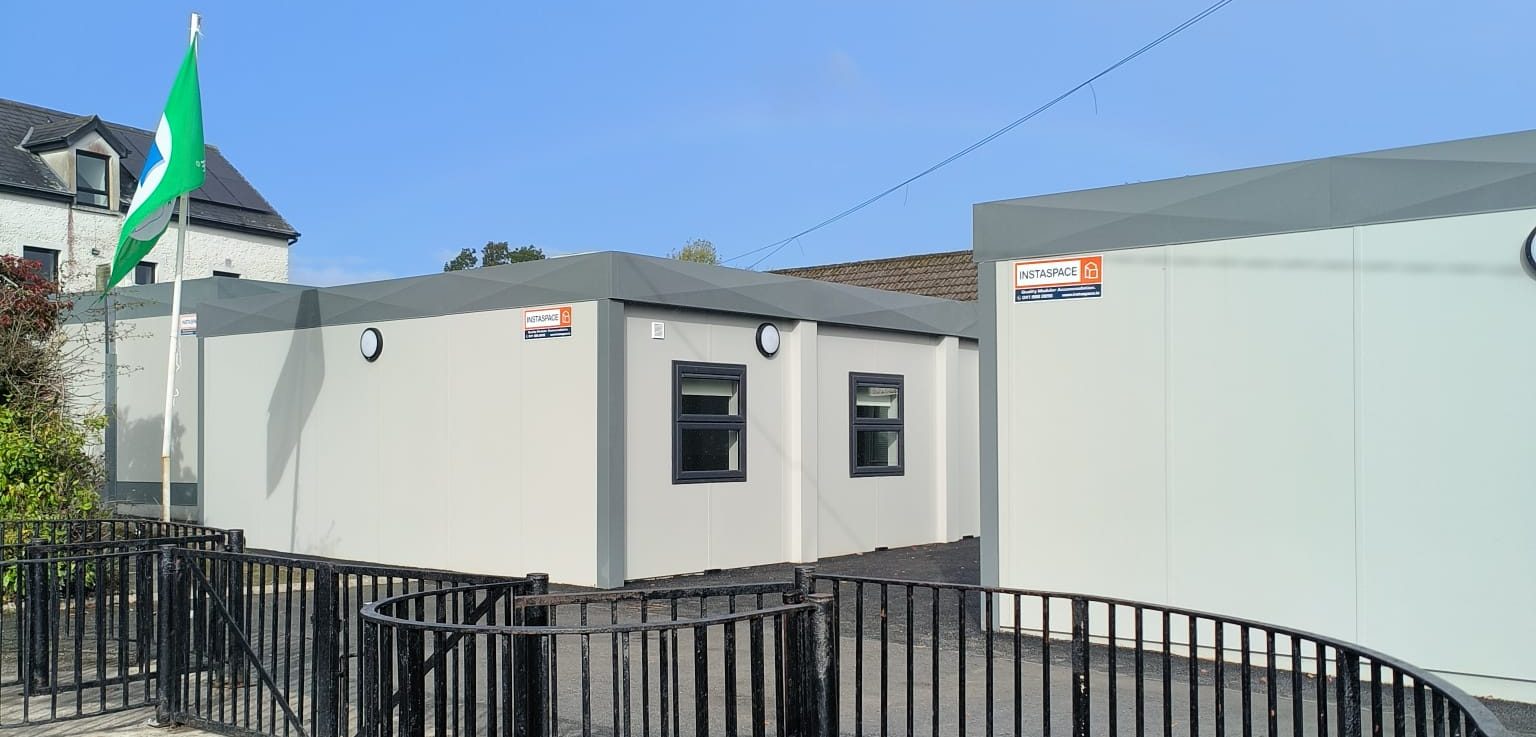
In recent years, the construction industry has witnessed significant transformations, with offsite construction methods gaining considerable traction. One such method, modular building manufacturing, is revolutionizing the way structures are designed and assembled. This process involves constructing sections or modules of a building in a controlled factory setting before transporting them to the final site for assembly. Modular construction offers numerous advantages, attracting attention for its efficiency, sustainability, and cost-effectiveness.
Efficiency and Speed
Modular construction significantly accelerates project timelines. By manufacturing building components in a factory while site preparation occurs concurrently, timelines are drastically reduced. This simultaneous progression eliminates many weather-related delays and allows for:
- Quicker project completion times
- Reduced on-site labor requirements
- Minimized disruption to the surrounding environment
For more insights on optimizing construction timelines, discover expert strategies here.
Cost-Effectiveness
Cost savings are a pivotal advantage of modular construction. The factory-based manufacturing process allows for bulk purchasing of materials, reducing costs. Additionally, the precision of factory production minimizes waste. Key cost-effective aspects include:
- Lower material costs due to bulk purchasing
- Decreased labor expenses
- Reduced waste and associated disposal costs
For more information on cost-effective construction solutions, learn about our tailored solutions.
Sustainability and Environmental Impact
Environmental sustainability is a growing concern in construction practices. Modular building manufacturing addresses this by reducing waste and improving energy efficiency. The controlled factory environment enables:
- Efficient use of materials
- Reduction in construction waste
- Enhanced energy efficiency in buildings
To explore advanced guides and tips on sustainable construction practices, explore advanced guides and tips.
Quality Control
The controlled environment of a factory setting ensures superior quality control compared to traditional construction methods. The precision and consistency achieved in modular construction result in:
- Higher quality finishes
- Improved structural integrity
- Compliance with stringent building codes and standards
For further details on quality assurance in modular construction, find out more about this approach.
Flexibility and Customization
Modular building manufacturing offers unparalleled flexibility in design and application. Modules can be customized to meet specific architectural requirements, allowing for:
- Versatile design options
- Ease of expansion or modification
- Adaptability to various building types, from residential to commercial
To learn more about how modular construction can be tailored to unique project needs, learn more about our tailored solutions.
In conclusion, modular building manufacturing presents a forward-thinking approach to construction, addressing some of the industry’s most fundamental challenges. With its blend of efficiency, cost-effectiveness, sustainability, and quality, it continues to pave the way for innovative building solutions. As the industry evolves, adopting modular construction methods promises numerous benefits for stakeholders seeking to enhance project outcomes.