
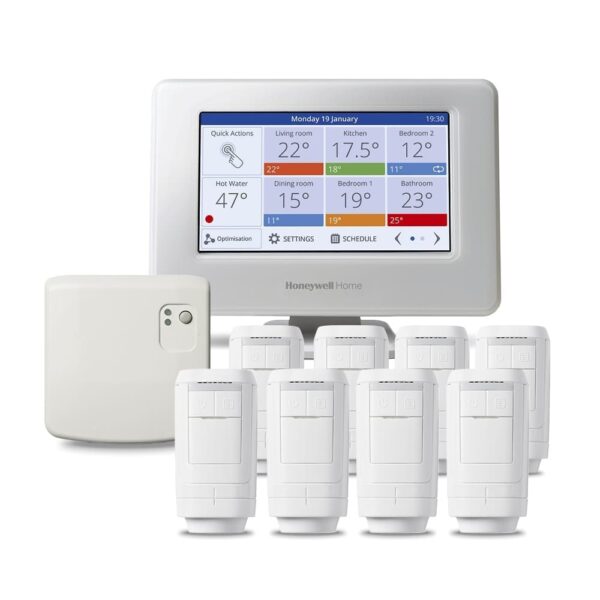
Honeywell radiator valves (rad valves) have become an essential component in modern heating systems, offering enhanced efficiency and control over room temperatures. These valves are designed to manage the flow of hot water to radiators, ensuring optimal heat distribution throughout a building. This guide provides a detailed overview of the installation process, usage tips, and maintenance practices for Honeywell rad valves, helping users maximize their heating systems’ performance.
Understanding Honeywell Rad Valves
Honeywell rad valves are integral to maintaining a comfortable indoor environment. These devices are crucial for:
- Regulating room temperature by controlling water flow to radiators.
- Enhancing energy efficiency by preventing overheating.
- Reducing energy bills through precise temperature management.
For a deeper understanding of these sophisticated devices, explore advanced guides and tips.
Installation Process
Tools and Materials Needed
Before beginning the installation, gather the following tools and materials:
- Adjustable wrench
- Pipe cutter
- PTFE tape
- Honeywell rad valve kit
Step-by-Step Installation
The installation process involves several key steps:
- Turn off the heating system and drain the radiator to prevent water spillage.
- Remove the existing valve by loosening the nuts connecting it to the radiator and pipework.
- Wrap PTFE tape around the threads of the new Honeywell valve to ensure a watertight seal.
- Attach the valve to the radiator and pipework, securing it with the adjustable wrench.
- Refill the radiator and check for leaks by turning the heating system back on.
For those seeking more detailed installation instructions, discover expert strategies here.
Using Honeywell Rad Valves
Once installed, Honeywell rad valves offer several benefits and functionalities:
- Adjust the valve to set the desired room temperature.
- Use the thermostatic function to automatically regulate temperature based on ambient conditions.
- Monitor and tweak settings for optimal performance and energy savings.
To learn more about optimizing valve settings, find out more about this approach.
Maintenance Tips
Regular maintenance of Honeywell rad valves ensures longevity and consistent performance. Consider the following tips:
- Inspect valves periodically for signs of wear or leaks.
- Clean the valves to prevent dust and debris accumulation.
- Test the functionality of the thermostatic settings regularly.
For comprehensive maintenance procedures, learn about tailored solutions.
Conclusion
Honeywell rad valves are an essential component in modern heating systems, providing precise control over room temperatures and contributing to energy efficiency. Proper installation and regular maintenance of these valves are crucial for optimal performance. By following the guidelines and tips provided in this guide, users can ensure their heating systems operate efficiently and effectively.