
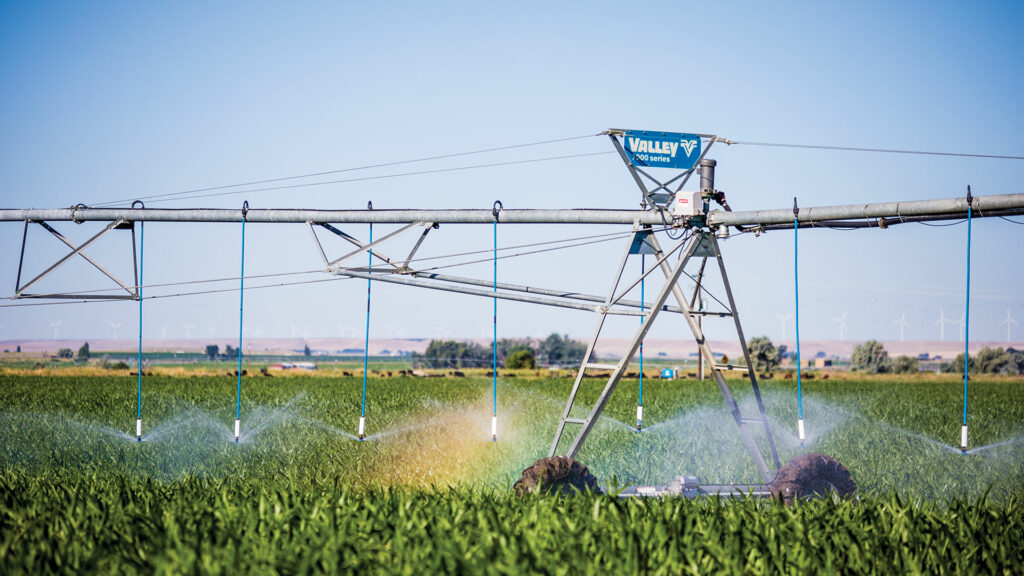
Center pivot irrigation systems are a cornerstone of modern agriculture, providing efficient water distribution and enabling farmers to optimize crop yields. These systems are designed to irrigate large areas of farmland by rotating around a central pivot point, ensuring uniform water coverage. Understanding the key components and maintenance requirements of center pivot irrigation equipment is crucial for maximizing performance and longevity. For more detailed insights, discover expert strategies here. The following sections will outline the essential components of these systems and provide maintenance tips to keep them running smoothly.
Key Components of Center Pivot Irrigation Equipment
Center pivot irrigation systems are composed of several critical components, each playing a vital role in the system’s overall functionality. Below are the primary parts of a center pivot irrigation system:
Pipes and Towers
- Pipes: These are the conduits through which water is delivered to the crops. Typically made of galvanized steel or aluminum, they must be durable and withstand high pressure.
- Towers: Supporting the pipes, towers are strategically positioned along the pivot system to maintain structural integrity and ensure even water distribution.
Sprinkler Heads
- Functionality: Sprinkler heads are responsible for dispersing water evenly across the crop surface. Different types of sprinklers can be used depending on the specific needs of the crop and soil.
- Types: Options include impact sprinklers, rotator sprinklers, and spray nozzles, each offering varying spray patterns and coverage areas.
Control Panel
- Operation: The control panel is the brain of the irrigation system, allowing operators to manage water flow, speed, and application rates.
- Technology: Modern control panels often include digital displays and remote operation capabilities, enhancing efficiency and reducing labor.
Drive Train
- Functions: The drive train moves the system in a circular path around the pivot point. It consists of motors, gearboxes, and wheels.
- Maintenance: Regular lubrication and inspection of the drive train components are essential to prevent operational failures.
Maintenance Tips for Optimal Performance
Regular maintenance of center pivot irrigation systems is essential to ensure they operate efficiently and have a long service life. Here are some key maintenance tips:
Inspections and Adjustments
- Regular Checkups: Conduct routine inspections to identify any signs of wear or damage to components such as pipes, towers, and sprinkler heads.
- Adjust Alignment: Ensure that all parts are correctly aligned to prevent uneven water distribution and mechanical stress.
For more maintenance tips and tailored solutions, learn about our tailored solutions.
Cleaning and Lubrication
- Clean Components: Regularly clean sprinkler heads and filters to prevent clogging and ensure optimal water flow.
- Lubricate Parts: Apply lubricants to moving parts such as motors and gearboxes to reduce friction and prevent wear.
Monitoring and Upgrades
- Monitor Performance: Keep track of the system?s performance metrics to detect any irregularities early.
- Upgrade Technology: Consider upgrading to more advanced control panels or sprinkler heads to enhance efficiency. Explore advanced guides and tips for making informed decisions.
For more comprehensive approaches to maintaining center pivot irrigation systems, find out more about this approach.
In conclusion, understanding the components and maintenance requirements of center pivot irrigation systems is essential for any farmer looking to optimize their irrigation practices. By ensuring regular maintenance and staying informed about the latest technological advancements, these systems can offer reliable and efficient irrigation for many years.