
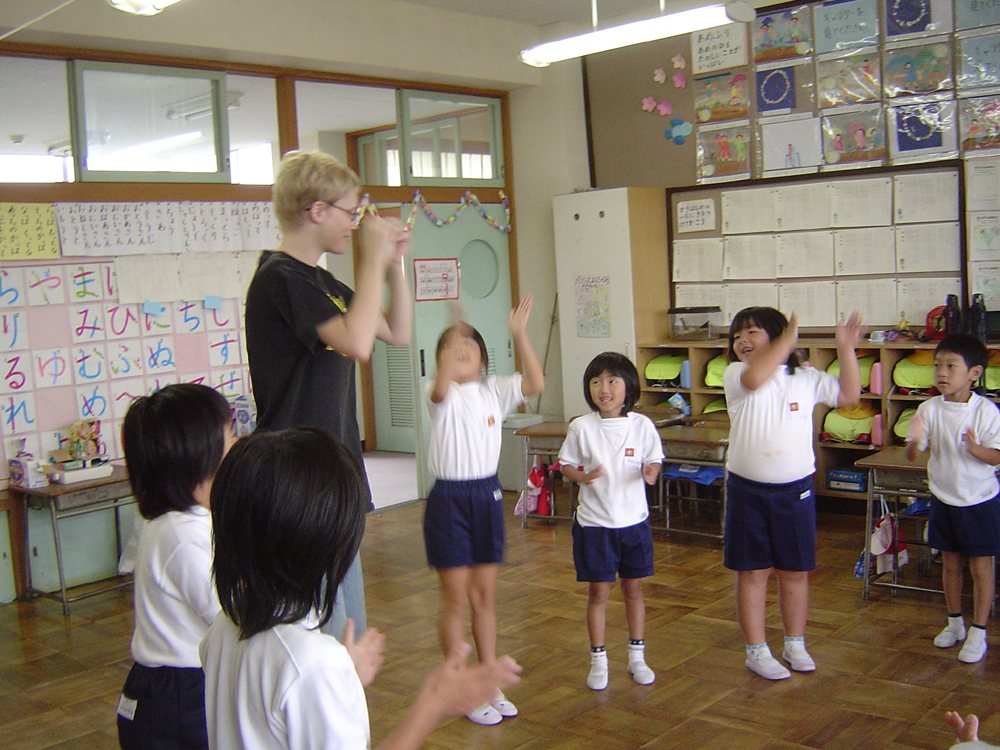
Creating an engaging learning environment in the classroom is essential for fostering student success and creativity. An effective classroom setting not only nurtures academic growth but also supports the emotional and social development of students. Various strategies, including interactive learning activities, flexible seating arrangements, and incorporating technology, play a crucial role in making classrooms vibrant and conducive to learning. By understanding the dynamics of elementary in japan and adopting best practices, educators can significantly enhance the educational experience for their students.
Understanding Student Needs
To create an engaging classroom environment, it is imperative to consider the diverse needs of students. This involves:
- Recognizing different learning styles (visual, auditory, kinesthetic).
- Addressing individual learning paces and providing personalized support.
- Fostering an inclusive atmosphere that respects and celebrates diversity.
By acknowledging these factors, teachers can craft lessons that are more effective and inclusive, ensuring that all students have the opportunity to thrive.
Incorporating Technology
Technology plays a pivotal role in modern education. Schools, such as minato elementary school, emphasize the integration of digital tools to enhance learning experiences. Some benefits include:
- Access to a vast array of resources and interactive educational content.
- Facilitation of collaboration through online platforms.
- Personalized learning experiences through adaptive learning software.
By leveraging technology, educators can create a dynamic and interactive classroom environment that keeps students engaged and motivated.
Interactive Learning Activities
Active participation is key to student engagement. Incorporating interactive learning activities can significantly enhance the learning environment. Some effective strategies include:
- Group projects that encourage teamwork and communication.
- Hands-on activities that allow students to apply theoretical knowledge.
- Role-playing and simulations to develop critical thinking skills.
These activities not only make learning fun but also help in reinforcing concepts and improving retention.
Creating a Flexible Classroom Setup
A flexible classroom setup can cater to various learning activities and student preferences. Considerations for a conducive learning environment in the classroom include:
- Movable furniture to facilitate different seating arrangements.
- Designated areas for specific activities, such as reading corners or technology stations.
- Ample natural light and comfortable temperatures to create a welcoming atmosphere.
Such arrangements not only make the classroom more adaptable but also foster a sense of independence and responsibility among students.
Encouraging Music and Arts
The inclusion of music and arts in the curriculum can greatly enhance student engagement. An elementary music teacher can inspire students to express creativity and develop new skills. Benefits of integrating arts in education include:
- Improved cognitive abilities and memory retention.
- Development of fine motor skills and hand-eye coordination.
- Positive impacts on emotional well-being and self-esteem.
Music and arts provide a well-rounded educational experience, encouraging students to explore their interests and talents.
Conclusion
Creating an engaging learning environment requires a multifaceted approach, combining understanding of student needs, technology integration, interactive activities, flexible setups, and a focus on music and arts. By implementing these strategies, educators can cultivate a nurturing and stimulating environment that promotes holistic growth. In settings such as kindergarten elementary schools, these approaches are especially crucial in laying a strong educational foundation. Emphasizing these elements will ensure students are prepared not only academically, but socially and emotionally as well.