
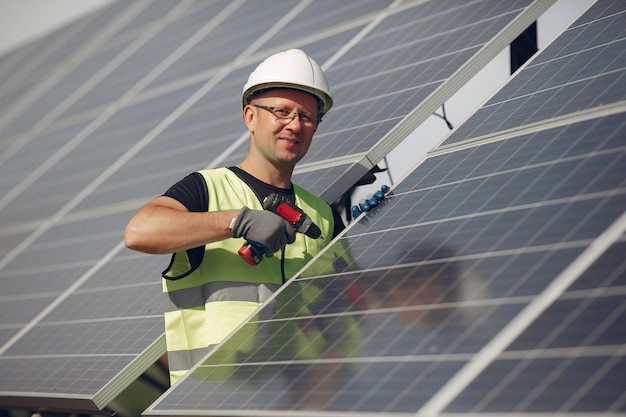
As the world continues to prioritize sustainable energy solutions, residential solar panel installation has become a pivotal step toward reducing carbon footprints and achieving energy independence. However, for homeowners considering this transition, understanding the intricacies of solar panel installation can be daunting. The following expert tips will guide you through key considerations, ensuring a smooth and efficient installation process.
Understanding Your Energy Needs
Before diving into the installation process, it’s crucial to assess your household’s energy consumption. This understanding helps in selecting the appropriate size and number of solar panels. Here are some steps to gauge your energy needs:
- Review past electricity bills to identify average monthly consumption.
- Consider any future changes in energy use, such as electric vehicle charging needs or home expansions.
- Consult with a professional to tailor a solar solution that aligns with your specific needs. Discover expert strategies here.
Choosing the Right Solar Panels
The market offers a variety of solar panels, each with unique features. Making the right choice involves evaluating several factors:
- Efficiency: Higher efficiency panels generate more electricity from the same amount of sunlight.
- Durability: Look for panels with robust construction and long warranties.
- Cost: Balance between upfront costs and long-term savings. Learn about our tailored solutions.
Site Assessment and Preparation
Evaluating Roof Suitability
The structural integrity and orientation of your roof play vital roles in solar panel performance. Key considerations include:
- Roof Condition: Ensure the roof is in good condition to support the weight of the panels.
- Orientation and Tilt: Optimal solar energy capture occurs with a south-facing roof and an ideal tilt angle.
- Address any shading issues from nearby trees or buildings.
Permits and Regulations
Complying with local regulations is a necessary step in the installation process. Consider the following:
- Research local zoning laws and building codes.
- Obtain necessary permits before installation begins.
- Work with a certified installer familiar with regional requirements. Explore advanced guides and tips.
Installation Process
The actual installation should be handled by experienced professionals to ensure safety and efficiency. The process typically includes:
- Mounting the panels securely to the roof.
- Connecting the system to your home’s electrical panel.
- Implementing a monitoring system to track energy production.
Post-Installation Maintenance
Regular maintenance enhances the longevity and performance of your solar panels. Essential maintenance tasks include:
- Cleaning the panels to remove dirt and debris.
- Inspecting electrical components to ensure optimal operation.
- Scheduling periodic professional check-ups. Find out more about this approach.
Transitioning to solar energy is a significant investment that can provide substantial benefits over time. By understanding your energy needs, choosing the right equipment, and following expert advice throughout the installation process, you can maximize the efficiency and lifespan of your solar system. For more comprehensive insights and solutions tailored to residential solar panel installation, explore our advanced guides and tips.