
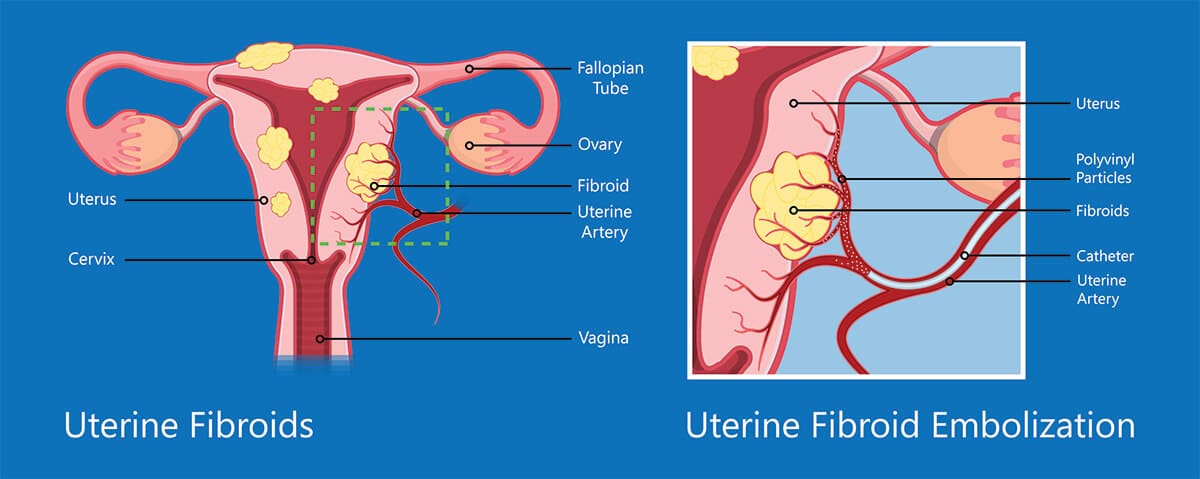
Uterine fibroids, benign tumors that form on the uterine wall, can cause significant discomfort and complications for many women. These non-cancerous growths are more prevalent than many realize, affecting a substantial number of women during their reproductive years. Symptoms can range from heavy menstrual bleeding and pelvic pain to frequent urination and complications during pregnancy. For those seeking relief, the Uterine Fibroid Embolization (UFE) procedure stands out as a minimally invasive treatment option that has gained recognition for its effectiveness. Understanding how UFE works, its benefits, and its considerations can empower women to make informed decisions about their health.
Understanding Uterine Fibroid Embolization (UFE)
Uterine Fibroid Embolization is a non-surgical procedure designed to shrink uterine fibroids by cutting off their blood supply. During the procedure, a radiologist inserts a catheter through the femoral artery in the thigh, guiding it to the uterine arteries. Tiny particles are then injected to block the blood flow to the fibroids, causing them to shrink and die over time.
Benefits of the UFE Procedure
- Minimally invasive, reducing recovery time and risks associated with surgery.
- Preserves the uterus, offering a potential option for women who wish to maintain fertility.
- Typically involves a shorter hospital stay compared to traditional surgery.
- Effective relief from symptoms in a majority of women.
To discover expert strategies here for managing uterine fibroids, including insights into UFE and other treatment options.
Is UFE the Right Choice?
Choosing the right treatment for uterine fibroids depends on various factors, including symptom severity and individual health goals. While UFE offers an appealing option due to its minimally invasive nature, it is essential to consider all aspects.
Considerations Before Opting for UFE
- Consultation with a specialist to evaluate the size, number, and location of fibroids.
- Discussion about potential impacts on fertility and future pregnancies.
- Consideration of personal health history and any contraindications.
- Understanding the potential need for additional treatments if symptoms persist.
For those evaluating their treatment options, it’s crucial to learn about our tailored solutions to determine the most suitable approach.
Post-Procedure Expectations and Recovery
Recovery from UFE is generally swift compared to more invasive surgical options. However, patients may experience some discomfort during the recovery process, which typically involves:
- Short-term cramping and pelvic pain, manageable with medication.
- Fatigue and mild nausea for a few days post-procedure.
- Gradual improvement in symptoms over a period of weeks to months.
- Regular follow-up appointments to monitor progress.
To explore advanced guides and tips on managing recovery and understanding the potential outcomes of UFE.
Conclusion
Uterine Fibroid Embolization represents a significant advancement in the treatment of uterine fibroids, providing a less invasive alternative to surgery with promising results. As with any medical procedure, it is vital to have a thorough discussion with a healthcare provider to evaluate whether UFE aligns with personal health goals and conditions. Women seeking relief from uterine fibroids can find out more about this approach to make a well-informed decision. Understanding all available options ensures that the chosen treatment not only addresses symptoms effectively but also aligns with an individual’s lifestyle and reproductive plans.