
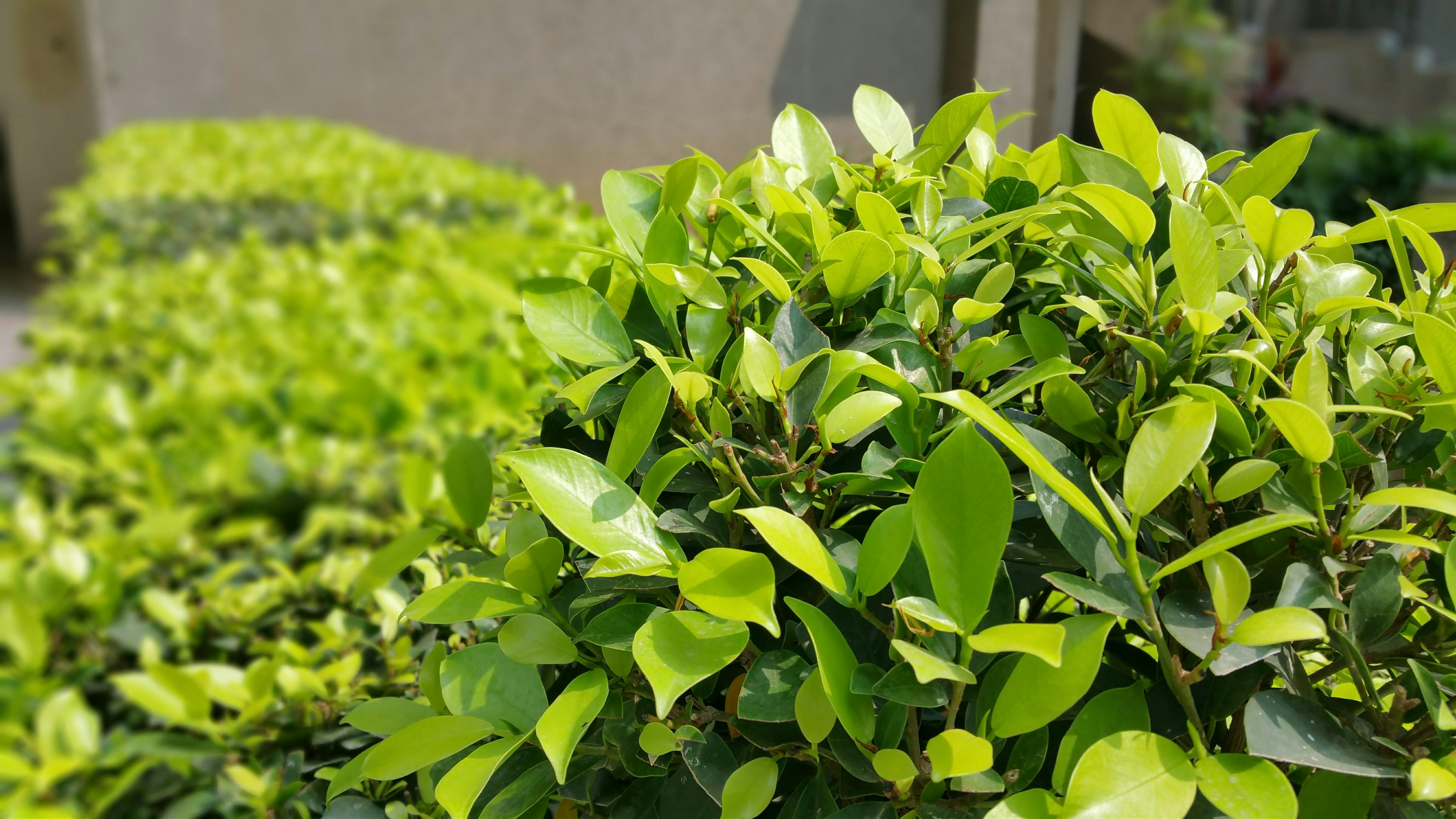
Selecting the right hedge plants for your UK garden can transform your outdoor space, offering privacy, enhancing aesthetics, and potentially increasing property value. However, with the myriad of choices available, making the right decision can be daunting. Understanding the diverse types of hedge plants and their specific characteristics is crucial. Factors such as climate compatibility, maintenance requirements, and desired aesthetic should guide your decision-making process. This article will explore the key considerations and offer guidance on selecting the most suitable hedge plants for your garden in the UK.
Understanding Hedge Plant Varieties
The selection of hedge plants is vast, with options ranging from evergreen to deciduous varieties. Understanding the differences is essential:
- Evergreen Hedges: These maintain their foliage throughout the year, providing constant privacy and greenery. Popular choices include yew, laurel, and boxwood.
- Deciduous Hedges: These lose their leaves in winter but often offer vibrant blooms or berries. Hawthorn and beech are common examples.
To delve deeper into the types of hedge plants and their suitability, you can read more about this topic.
Climate Considerations
The UK climate varies significantly between regions, impacting plant selection. Here are some climate considerations:
- Cold Climates: Hardy varieties like holly and yew are ideal for colder areas.
- Mild Climates: In milder regions, consider plants like Portuguese laurel or escallonia.
- Coastal Areas: Salt-tolerant plants such as sea buckthorn are suitable for coastal gardens.
For a comprehensive understanding of how climate affects plant choice, learn more in this detailed guide.
Maintenance and Growth Rate
Different hedge plants require varying levels of maintenance, which should align with the time you can dedicate to garden upkeep. Consider the following:
- Low Maintenance: If you prefer minimal upkeep, opt for slow-growing plants like boxwood.
- Fast-Growing: For quick coverage, consider leylandii or privet, but be aware these may need frequent trimming.
Understanding the growth rate and maintenance needs can help you make an informed decision. Explore further insights here.
Aesthetic and Functional Considerations
Privacy and Security
A dense hedge can serve as a natural barrier for privacy and security. Consider:
- Height: Taller hedges provide more privacy; choose yew or leylandii for height.
- Density: For a thick barrier, holly or laurel are excellent choices.
Color and Seasonal Interest
Aesthetic appeal is another vital factor, with many plants offering seasonal blooms or color changes:
- Flowers and Berries: Hawthorn and pyracantha provide seasonal flowers and berries.
- Leaf Color: Copper beech offers striking foliage color changes across seasons.
For more insights on choosing plants based on aesthetics and functionality, find additional information here.
Conclusion
Choosing the right hedge plant for your UK garden involves considering factors such as climate, maintenance, growth rate, and aesthetic preference. By understanding these elements, you can select a hedge that not only enhances your garden’s beauty but also meets your functional needs. Whether you desire privacy, security, or seasonal interest, the right hedge can provide it all. For further guidance and a wider selection of hedge plants, visit this resource.