
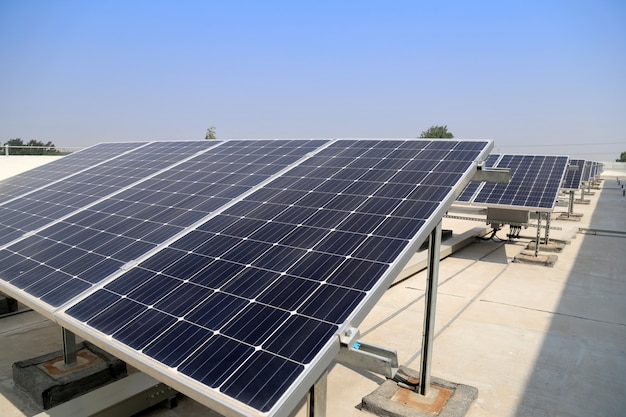
As the world pivots towards sustainable energy solutions, solar power systems have emerged as a frontrunner in the renewable energy sector. Designing and installing solar panels requires a blend of technical knowledge and practical expertise to ensure optimal efficiency and performance. Understanding the intricate details of solar panel design and installation can vastly improve the effectiveness of these systems. This article delves into the essential techniques and considerations for mastering solar panel design and installation.
Key Considerations for Solar Panel Design
Understanding Solar Resources
The first step in designing an effective solar panel system is understanding the solar resources available in the area. This involves:
- Assessing the average solar irradiance levels.
- Evaluating local weather patterns and their impact on solar energy capture.
- Considering seasonal variations that might affect solar energy availability.
Discover expert strategies here for optimizing solar panel designs based on regional solar resources.
System Sizing and Configuration
Accurate system sizing is crucial for meeting energy demands effectively. Important factors include:
- Calculating the total energy requirements based on current and future needs.
- Determining the appropriate number and capacity of panels to meet these demands.
- Choosing the right types of solar panels and inverters for the specific application.
Learn about our tailored solutions by exploring advanced guides and tips on system sizing and configuration.
Installation Techniques for Optimal Performance
Site Assessment and Preparation
Proper site assessment and preparation are vital to the success of any solar panel installation. Key steps include:
- Conducting a thorough site survey to identify potential obstructions.
- Evaluating the structural integrity of rooftops or ground mounts.
- Ensuring compliance with local regulations and obtaining necessary permits.
Find out more about this approach here.
Mounting Systems and Panel Orientation
The choice of mounting systems and the orientation of panels can significantly influence the efficiency of solar energy collection. Considerations include:
- Selecting fixed, adjustable, or tracking mounts based on budget and performance goals.
- Orienting panels to maximize exposure to sunlight, typically facing true south in the northern hemisphere.
- Adjusting the tilt angle to match the latitude and season for optimal energy capture.
Explore advanced guides and tips on mounting systems and panel orientation here.
Ensuring Long-Term Efficiency and Reliability
Achieving long-term efficiency and reliability in solar panel systems involves regular maintenance and monitoring. Key practices include:
- Implementing a robust monitoring system to track performance metrics.
- Scheduling regular inspections and cleaning to prevent energy losses.
- Updating components and software to leverage technological advancements.
See what others are saying about us by checking out customer reviews here.
Mastering solar panel design and installation is integral to advancing the adoption of renewable energy solutions. By incorporating these techniques and considerations, professionals can enhance the performance and longevity of solar systems. For those looking to delve deeper into solar technology, explore advanced guides and tips that offer comprehensive insights into the field.