
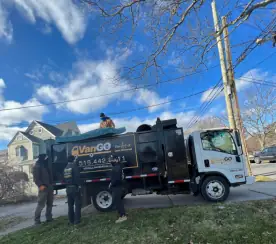
In a rapidly evolving world where environmental sustainability takes center stage, efficient waste removal services play a crucial role. With global waste generation projected to increase, adopting sustainable practices is not only environmentally responsible but also essential for community health and economic efficiency. The evolving landscape of waste management necessitates innovative solutions aimed at minimizing environmental impact while maximizing resource recovery.
Understanding Sustainable Waste Removal
Sustainable waste removal encompasses practices that reduce waste production and promote recycling and reuse of materials. It involves:
- Minimizing landfill use through waste diversion techniques.
- Implementing recycling programs that support circular economies.
- Utilizing eco-friendly disposal methods to mitigate environmental harm.
- Enhancing community awareness and participation in sustainable waste practices.
Key Strategies for Effective Waste Management
The transition towards sustainable waste management requires a multifaceted approach. Key strategies include:
1. Waste Segregation
Effective waste segregation at the source is critical. By separating recyclable materials from non-recyclables, the efficiency of recycling processes is significantly improved. Learn about our tailored solutions for effective waste segregation and management.
2. Recycling and Composting
Recycling and composting are fundamental components of sustainable waste management. They reduce the volume of waste sent to landfills and help conserve natural resources. Explore advanced guides and tips on implementing successful recycling and composting programs.
3. Innovative Waste-to-Energy Solutions
Transforming waste into energy offers a dual benefit of waste reduction and energy production. Technologies such as anaerobic digestion and incineration with energy recovery are gaining traction. Discover expert strategies here on leveraging waste-to-energy technologies effectively.
Benefits of Sustainable Waste Removal
Adopting sustainable waste removal practices yields numerous benefits:
- Environmental Protection: Reduces pollution and conserves natural resources.
- Economic Efficiency: Lowers costs associated with waste disposal and energy usage.
- Community Health: Minimizes health risks by reducing landfill reliance and chemical exposure.
- Regulatory Compliance: Meets environmental regulations and standards, avoiding potential fines and penalties.
Community Involvement and Education
Community involvement is crucial to the success of sustainable waste management. Educating the public on the importance of proper waste management practices can significantly enhance participation rates. Initiatives could include:
- Organizing community clean-up events.
- Conducting workshops on recycling and composting.
- Providing resources and information on sustainable practices. Find out more about this approach.
The Future of Waste Management
The future of waste management lies in integrating technology with sustainable practices. Advances in digitization and smart waste management systems are paving the way for more efficient operations. Automation, real-time data collection, and analysis will continue to enhance waste management efficiency and sustainability. For insights into future trends, discover expert strategies here.
In conclusion, sustainable waste removal services are essential for creating a cleaner environment and ensuring a sustainable future. By implementing effective waste management strategies, leveraging innovative technologies, and promoting community involvement, sustainable practices can be achieved. Visit VanGo New York to explore comprehensive solutions tailored to meet the demands of modern waste management.