
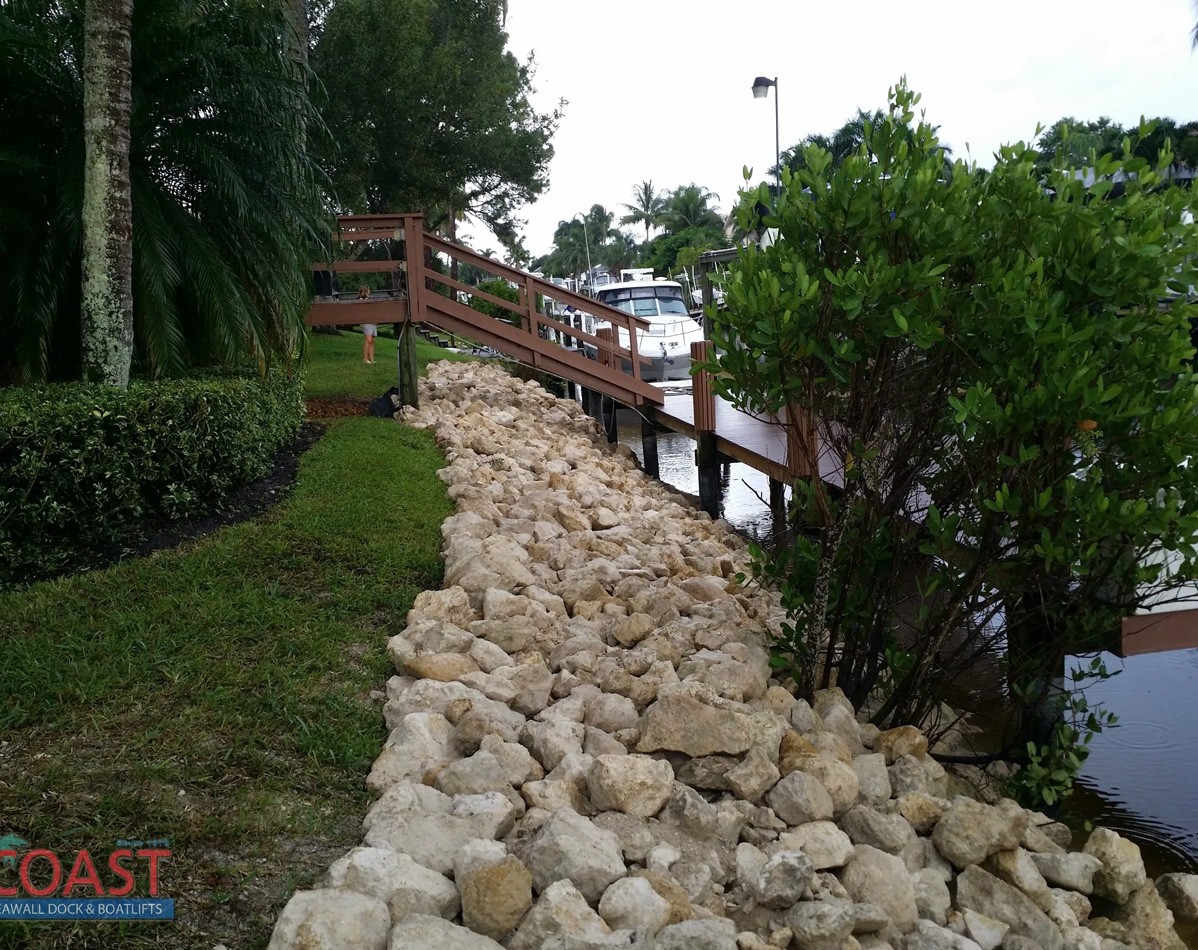
Rock revetment construction is a crucial process in coastal engineering, aimed at protecting shorelines from erosion and damage caused by waves and currents. This construction method involves the strategic placement of rocks or boulders along coastlines, riverbanks, or other areas prone to erosion. The primary goal is to absorb the energy of incoming water, thereby minimizing erosion and safeguarding the structural integrity of the land. Understanding the basics of rock revetment construction can provide valuable insights into its significance, process, and benefits.
Understanding Rock Revetment Construction
The Purpose of Rock Revetment
Rock revetment is designed to:
- Protect coastlines and riverbanks from erosion.
- Enhance the longevity and stability of existing structures.
- Provide a natural and aesthetically pleasing solution for shoreline protection.
For more insights into how rock revetment can be utilized effectively, discover expert strategies here.
Materials Used
The selection of materials is critical in rock revetment construction. Commonly used materials include:
- Granite: Known for its durability and resistance to weathering.
- Limestone: Popular for its availability and ability to blend with natural surroundings.
- Basalt: Chosen for its density and strength.
These materials are selected based on factors such as local availability, project budget, and environmental considerations. To explore advanced guides and tips on material selection, this resource can be invaluable.
The Construction Process
Site Assessment and Preparation
The initial phase of the construction involves a thorough assessment of the site. Engineers evaluate:
- Soil stability and composition.
- Wave and current patterns.
- Potential environmental impacts.
This assessment ensures that the design and construction methods are suited to the specific conditions of the site. Find out more about this approach to site assessment and preparation.
Design and Placement
Designing a rock revetment involves calculating the appropriate size and placement of rocks to effectively dissipate wave energy. Key considerations include:
- Rock size and weight to prevent displacement.
- Layering techniques to ensure stability.
- Integration with existing structures and ecosystems.
Each project is unique, requiring tailored solutions to address specific challenges. Learn about our tailored solutions for rock revetment design and placement.
Benefits of Rock Revetment
Utilizing rock revetment offers numerous benefits:
- Long-term erosion control and land protection.
- Low maintenance requirements once installed.
- Enhanced natural aesthetics of coastal and river environments.
With these advantages, rock revetment remains a preferred choice for sustainable shoreline and riverbank protection. By adopting this method, communities can safeguard their natural landscapes and infrastructure effectively. For comprehensive understanding and application, explore advanced guides and tips.
Conclusion
Rock revetment construction is a vital technique in the field of coastal engineering, offering durable and aesthetically pleasing solutions to erosion challenges. Understanding the basics of materials, design, and construction processes is essential for successful implementation. By integrating expert insights and tailored approaches, communities can effectively protect their shorelines and riverbanks, preserving the natural environment and enhancing safety for future generations. For more detailed information and expert guidance, discover expert strategies here.