
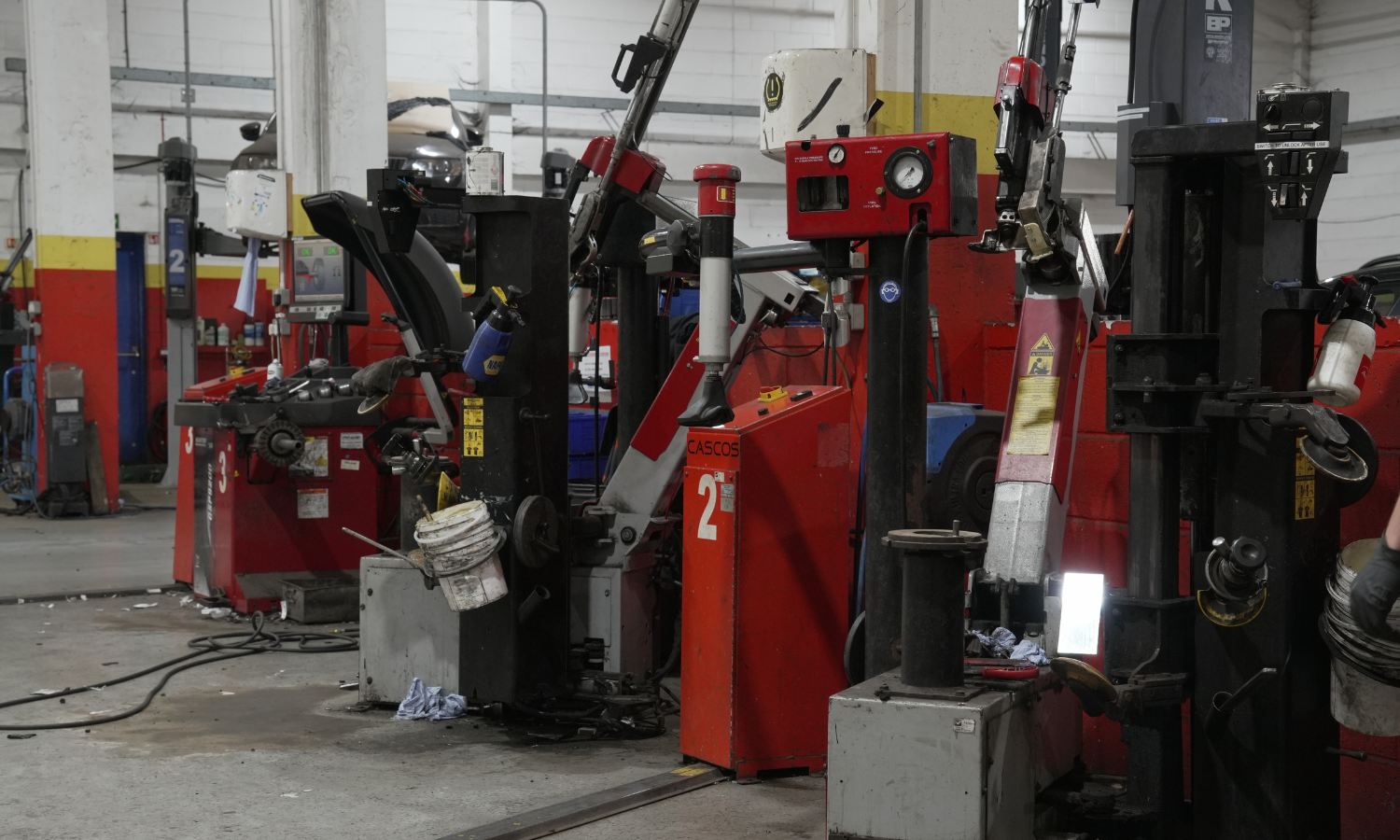
Proper wheel alignment is a crucial aspect of vehicle maintenance that is often overlooked. It involves adjusting the angles of the wheels so that they are set to the manufacturer’s specifications. This alignment ensures that the vehicle drives straight and true, maintaining optimal contact with the road. Neglecting wheel alignment can lead to a variety of problems, from uneven tire wear to compromised handling and safety. Understanding the significance of maintaining correct wheel alignment can enhance vehicle performance, safety, and longevity.
What is Wheel Alignment?
Wheel alignment refers to the adjustment of a vehicle’s suspension, the system that connects a vehicle to its wheels. It is not an adjustment of the tires or wheels themselves. Proper alignment involves three main angles:
- Camber: The angle of the wheel when viewed from the front of the vehicle. If the wheel tilts too far inward or outward, it indicates improper camber alignment.
- Caster: The angle of the steering pivot when viewed from the side of the vehicle. Proper caster alignment helps with steering, stability, and cornering.
- Toe: The extent to which the wheels turn inward or outward when viewed from above. Proper toe alignment ensures that the car moves in a straight line.
For more detailed information on the technical aspects and benefits of wheel alignment, explore advanced guides and tips here.
Benefits of Proper Wheel Alignment
Enhanced Vehicle Performance
Correct wheel alignment optimizes the performance of a vehicle by ensuring that all four wheels are synchronized. This synchronization provides a smoother ride, reduces rolling resistance, and improves fuel efficiency. When wheels are properly aligned, the engine doesn’t have to work as hard, which can lead to better fuel economy.
Prolonged Tire Lifespan
Misaligned wheels can cause tires to wear unevenly and more quickly. By ensuring proper alignment, tires maintain even tread wear, which extends their lifespan. Consistent tire wear also contributes to better vehicle handling and safety. Discover expert strategies on maintaining tire health here.
Improved Safety
Proper alignment contributes to safer driving conditions. Misalignment can lead to steering issues, such as pulling to one side, which can increase the risk of accidents. A correctly aligned vehicle is easier to steer and control, especially in adverse weather conditions. This is critical for maintaining safety on the road.
Indicators of Misalignment
It is essential to recognize the signs of misalignment to address the issue promptly. Key indicators include:
- Uneven or rapid tire wear
- Vehicle pulling to the left or right
- Steering wheel not centered when driving straight
- Vibration in the steering wheel
If any of these symptoms are present, it may be time to learn about tailored solutions for alignment issues here.
When to Check Wheel Alignment
Regular wheel alignment checks should be part of a vehicle’s routine maintenance schedule. It is recommended to have an alignment check:
- Every 6,000 miles or as specified by the vehicle manufacturer
- After any significant impact, such as hitting a pothole or curb
- When replacing tires
- If experiencing symptoms of misalignment
Find out more about this approach to vehicle care here.
Conclusion
Maintaining proper wheel alignment is an essential component of vehicle care that offers a multitude of benefits, including enhanced performance, improved safety, and extended tire life. Regular checks and timely adjustments can prevent costly repairs and ensure a smoother, safer driving experience. For those looking to delve deeper into wheel alignment and its impact on vehicle performance, explore advanced guides and tips.