
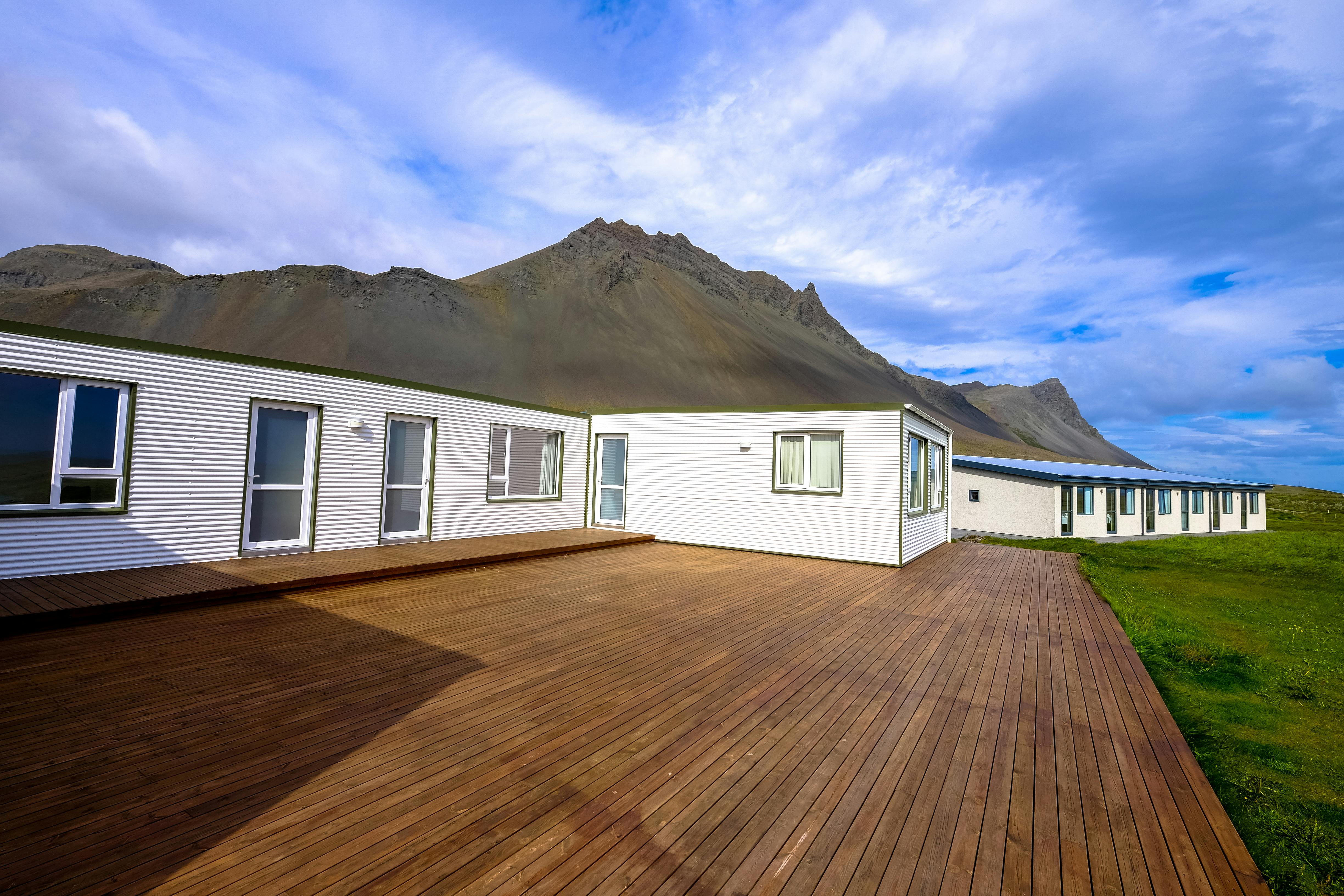
When it comes to enhancing the outdoor living space of a home, choosing the right decking material is crucial. With a myriad of options available, PVC and composite decking have emerged as two of the most popular choices for homeowners and builders. Each material offers its own set of advantages and disadvantages. Understanding these can help in making an informed decision that aligns with specific needs, preferences, and budget constraints. This article delves into the pros and cons of PVC and composite decking, providing insights that can guide prospective buyers in their selection process.
Understanding PVC Decking
PVC decking is made from 100% plastic, specifically polyvinyl chloride. This material is known for its durability and resistance to weather conditions, making it a popular choice for outdoor installations.
Pros of PVC Decking
- Durability: PVC is highly resistant to moisture, insects, and rot, ensuring a long lifespan.
- Low Maintenance: Unlike wood, PVC does not require staining, sealing, or painting. Occasional cleaning with soap and water is sufficient.
- Color Retention: The material retains its color over time, preventing the fading common with other decking materials.
- Lightweight: PVC decking is easier to handle and install due to its lightweight nature.
Cons of PVC Decking
- Cost: PVC tends to be more expensive than composite decking and natural wood.
- Appearance: Some homeowners find that PVC lacks the natural look and warmth of wood.
- Temperature Sensitivity: PVC can become hot to the touch in direct sunlight, which might be uncomfortable.
For a more detailed exploration of PVC decking and its applications, discover expert strategies here.
Exploring Composite Decking
Composite decking is crafted from a blend of wood fibers and plastic. This combination results in a material that mimics the look of wood while offering enhanced durability and reduced maintenance requirements.
Pros of Composite Decking
- Natural Appearance: Composite decking often resembles real wood more closely than PVC.
- Environmentally Friendly: Many composite products are made from recycled materials, making them a greener choice.
- Durability: Resistant to fading, stains, and mold, composite decking boasts a long life with minimal upkeep.
- Versatility: Available in a variety of colors and textures, composite decking can match any aesthetic preference.
Cons of Composite Decking
- Cost: While often more affordable than PVC, composite decking can still be pricier than wood.
- Weight: Composite materials can be heavier and more cumbersome to install compared to PVC.
- Potential for Scratches: Despite its durability, composite decking can be prone to scratches and surface damage.
To gain further insights into the benefits of composite decking, learn about our tailored solutions.
Comparative Analysis
Both PVC and composite decking offer unique advantages that cater to different priorities. Here is a comparative analysis to aid decision-making:
- Budget: Composite decking tends to be more budget-friendly than PVC, though both are more costly than traditional wood.
- Maintenance: PVC offers minimal maintenance requirements, but composite decking also requires less upkeep than natural wood.
- Aesthetic Preference: For those prioritizing a natural wood look, composite decking often comes closer to achieving this appearance.
- Environmental Impact: Composite is typically more eco-friendly due to its recycled content.
For additional guidance on making the right choice between PVC and composite decking, explore advanced guides and tips.
Conclusion
Choosing between PVC and composite decking depends largely on individual needs and preferences. While PVC offers superior durability and minimal maintenance, composite decking provides a more natural appearance and a slightly more eco-friendly option. By considering the outlined pros and cons, homeowners can select the material that best aligns with their lifestyle and design vision. For those seeking more in-depth knowledge and comparison tools, find out more about this approach.