
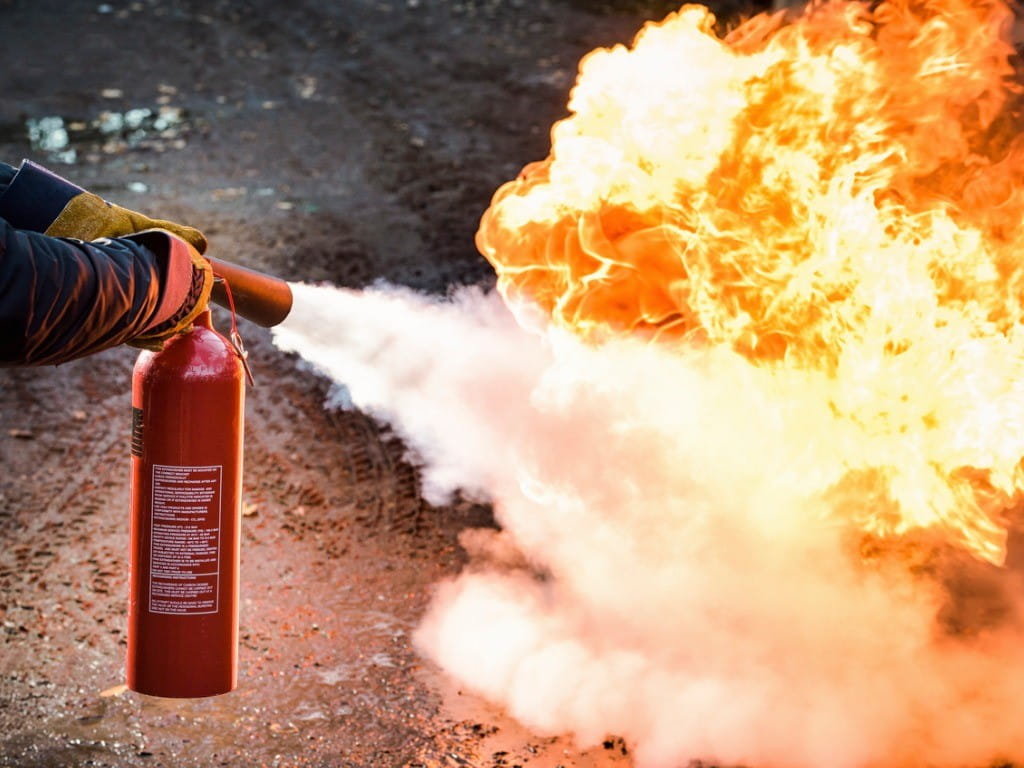
Ensuring the safety of buildings and their occupants is a paramount concern for facility managers and building owners. One of the most critical components of building safety is having the right fire extinguishers on hand. These devices are essential in controlling small fires before they escalate into uncontrollable blazes. The selection of appropriate fire extinguishers depends on the specific needs of the building, its purpose, and the types of fire hazards present. This article examines various types of fire extinguishers that every building should consider to enhance safety and compliance.
Understanding Fire Classes
Before delving into specific fire extinguishers, it’s essential to comprehend the different classes of fires:
- Class A: Fires involving ordinary combustibles such as wood, paper, and cloth.
- Class B: Fires fueled by flammable liquids like gasoline, oil, and paint.
- Class C: Fires involving electrical equipment and appliances.
- Class D: Fires that originate from combustible metals such as magnesium and titanium.
- Class K: Fires associated with cooking oils and fats, commonly found in commercial kitchens.
Essential Fire Extinguishers for Every Building
Water and Foam Extinguishers
Designed primarily for Class A fires, water and foam extinguishers are highly effective in extinguishing fires involving ordinary combustibles.
- Best suited for schools, office buildings, and residential facilities.
- Not recommended for use on electrical fires or flammable liquids.
For a detailed understanding of their applications, explore advanced guides and tips on using water and foam extinguishers effectively.
Carbon Dioxide (CO2) Extinguishers
CO2 extinguishers are ideal for Class B and C fires as they displace oxygen, effectively smothering the flames.
- Perfect for areas with electrical equipment such as data centers and server rooms.
- Leave no residue, making cleanup easier.
To understand where these extinguishers can be optimally placed, discover expert strategies here.
Dry Chemical Extinguishers
The most versatile extinguishers, dry chemical units are suitable for Class A, B, and C fires.
- Widely used in commercial and industrial settings.
- Provide a quick response to multiple types of fire hazards.
To learn about our tailored solutions for dry chemical extinguishers, visit the detailed resource.
Wet Chemical Extinguishers
Specifically designed for Class K fires, these extinguishers are essential in commercial kitchens where cooking oil fires are a risk.
- Effective in suppressing extremely high-temperature fires.
- Prevents re-ignition by forming a soapy layer over the fuel.
Find out more about this approach by visiting the comprehensive guide.
Strategic Placement and Maintenance
Having the right fire extinguishers is only part of the equation. Proper placement and regular maintenance are crucial for ensuring their effectiveness:
- Fire extinguishers should be accessible, visible, and located along escape routes.
- Regular inspections and maintenance checks are vital to ensure they are in good working condition.
- All building occupants should be educated on the proper use of fire extinguishers.
For more insights into strategic placement and maintenance, explore our resources.
Conclusion
Choosing the right fire extinguishers for a building is a critical decision that can significantly impact the safety and security of the occupants. Understanding the types of fire hazards present and aligning them with the appropriate extinguishers is essential. Regular maintenance and strategic placement further enhance the effectiveness of these life-saving tools. By investing in the right equipment and knowledge, building managers can ensure a safer environment for everyone. For detailed information and expert advice, consider consulting trusted resources.