
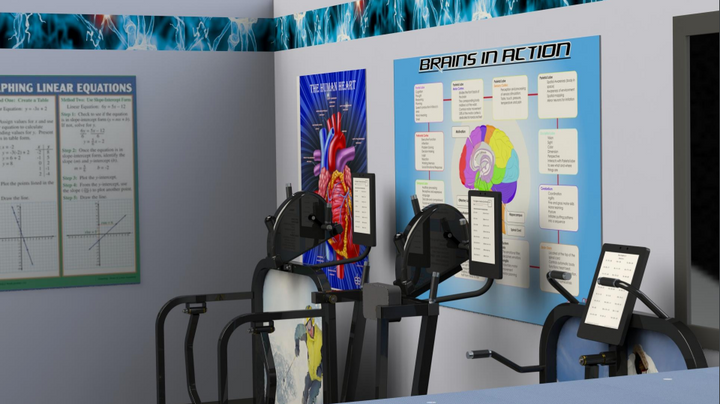
In today’s fast-paced world, the ability to adapt and grow one’s skill set is more crucial than ever. Traditional learning methods are no longer sufficient to keep up with the rapid changes in technology and industry demands. Action-based learning techniques offer a dynamic alternative, enabling individuals to gain practical experience and apply their knowledge in real-world situations. This approach is especially beneficial for professionals seeking to enhance their capabilities and drive career advancement in competitive environments.
What is Action-Based Learning?
Action-based learning is a strategy that emphasizes learning through doing. Unlike traditional learning methods that rely heavily on theoretical knowledge, this approach focuses on engaging participants in activities that mimic real-world scenarios. This hands-on method has been shown to improve retention rates and foster a deeper understanding of complex subjects.
Key Components of Action-Based Learning
- Practical Application: Learners are encouraged to apply their knowledge in practical settings, helping to solidify their understanding and skills.
- Collaborative Environment: Working in teams enhances communication skills and enables the sharing of diverse perspectives.
- Feedback and Reflection: Continuous feedback from peers and instructors, coupled with self-reflection, aids in identifying areas for improvement.
Learn about our tailored solutions to implement these techniques effectively by visiting this link.
Benefits of Action-Based Learning Techniques
Action-based learning techniques offer numerous benefits that extend beyond traditional educational methods. Here are some of the key advantages:
- Enhanced Engagement: Engaging in active learning processes keeps participants motivated and attentive.
- Improved Retention Rates: By applying knowledge in practical scenarios, learners are more likely to remember and understand the material.
- Development of Critical Skills: The focus on real-world applications helps in developing problem-solving, critical thinking, and decision-making skills.
Discover expert strategies here to maximize the benefits of action-based learning: Explore advanced guides and tips.
Implementing Action-Based Learning in Professional Development
For professionals looking to enhance their skill set, incorporating action-based learning techniques into their development plans can be transformative. Here are some ways to integrate these methods effectively:
Identify Learning Objectives
Clearly define the skills and knowledge areas that need improvement. This will help in designing specific activities and scenarios that target these objectives.
Create Realistic Scenarios
Design activities that closely mimic challenges encountered in the workplace. This could include simulations, role-playing, or case studies based on actual industry problems.
Encourage Self-Directed Learning
Empower learners to take charge of their own education by setting personal goals and seeking resources that align with their interests and career aspirations. Find out more about this approach to self-directed learning.
Utilize Technology
Leverage online platforms and digital tools to create interactive and engaging learning experiences. Virtual simulations and e-learning modules can provide immersive environments for skill development.
For more information on how to implement these strategies effectively, visit Learn about our tailored solutions.
Conclusion
Action-based learning techniques present a powerful way to enhance professional skills and adapt to the ever-evolving demands of the modern workplace. By engaging in practical, real-world activities, individuals can gain valuable experience and confidence in their abilities. Whether it’s through collaborative projects, simulations, or self-directed learning, embracing these methods can lead to significant personal and professional growth. For those eager to transform their skills and career trajectory, exploring these innovative learning techniques is a crucial step forward.