
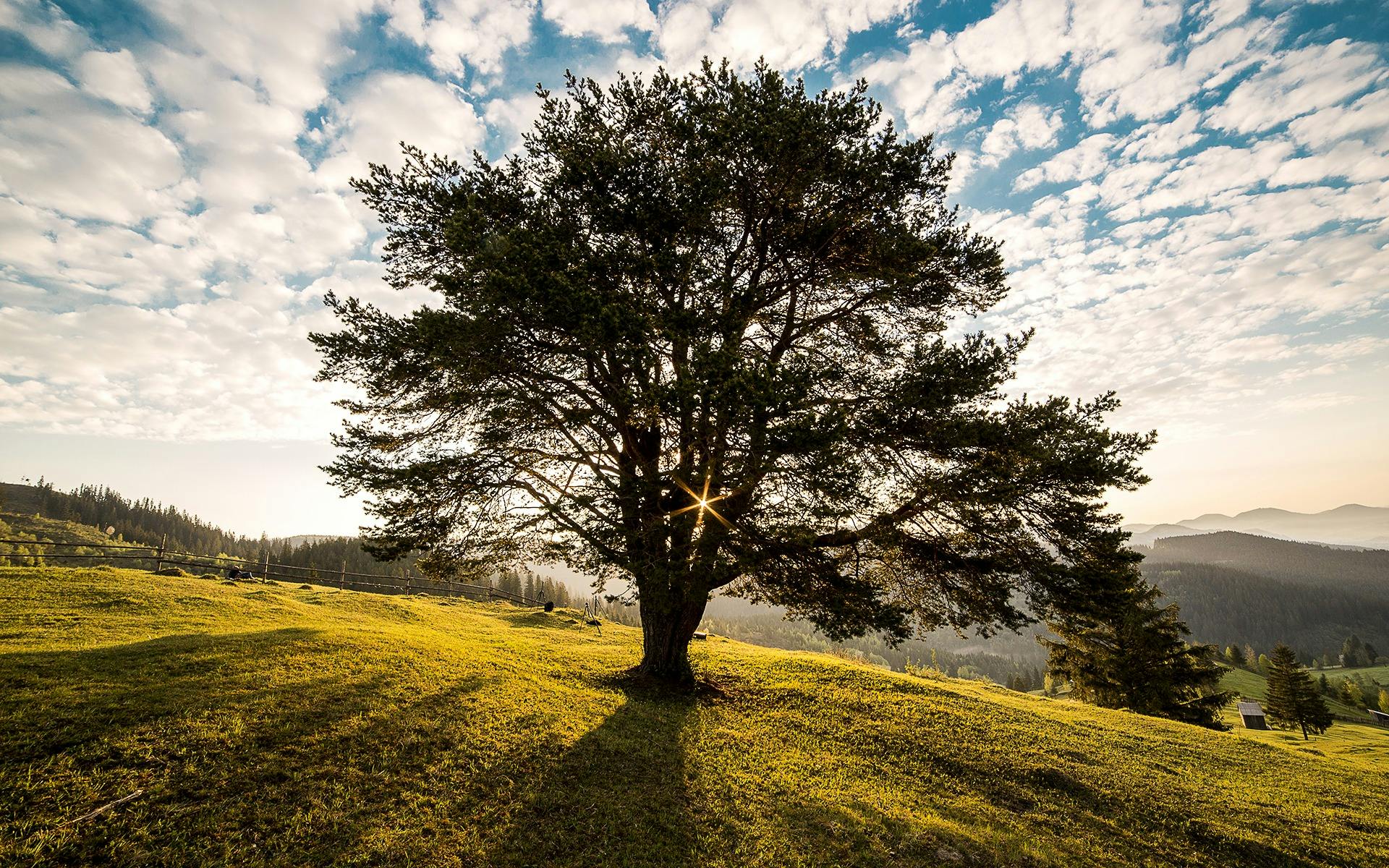
Transforming landscapes is not merely about changing the visible scenery; it involves a thoughtful integration of ecological balance and aesthetic enhancement. In the realm of landscaping, tree preservation stands as a cornerstone of sustainable practices, ensuring that environmental integrity is maintained even as spaces are developed and beautified. The approach to tree preservation involves strategic planning, expert knowledge, and innovative techniques that cater to both natural ecosystems and human needs. This article delves into the significance of sustainable tree preservation and how it can be effectively implemented to transform landscapes while promoting environmental stewardship.
Understanding Sustainable Tree Preservation
Sustainable tree preservation is a comprehensive approach that prioritizes the health, longevity, and ecological role of trees within any landscape. This involves several key practices:
- Assessment of tree health and environmental impact before any development.
- Implementation of protective measures during construction to prevent damage to roots and canopy.
- Ongoing maintenance and monitoring to ensure tree vitality.
- Integration of tree preservation with landscape design to create harmonious and sustainable environments.
Learn about our tailored solutions for effectively preserving trees in diverse landscapes by visiting this link.
The Benefits of Tree Preservation in Landscaping
Preserving trees in landscaping projects offers numerous benefits that extend beyond their aesthetic appeal:
- Environmental Benefits: Trees play a critical role in carbon sequestration, air purification, and supporting biodiversity.
- Economic Benefits: Mature trees increase property values and reduce energy costs by providing natural shading and windbreaks.
- Social Benefits: Trees enhance community well-being by providing recreational spaces and improving mental health through natural beauty.
Discover expert strategies here to maximize these benefits in your landscaping projects.
Implementing Sustainable Practices
Site Analysis and Tree Inventory
The initial step in sustainable tree preservation involves conducting a comprehensive site analysis and tree inventory. This process helps in identifying:
- Species diversity and individual tree health.
- Potential risks and challenges posed by existing trees.
- Opportunities for integration with planned developments.
Explore advanced guides and tips on conducting effective site analyses by visiting this site.
Protective Measures During Development
During construction or any landscape development, it is vital to implement protective measures to safeguard trees. This includes:
- Establishing tree protection zones to prevent root and trunk damage.
- Using barriers and signage to minimize human intrusion.
- Employing specialized equipment to avoid soil compaction and other physical damages.
Find out more about this approach and how to apply it effectively in your projects by referring to the relevant resources.
Long-term Care and Management
Sustainable tree preservation does not end with the completion of a landscaping project. Long-term care and management are crucial for maintaining the health and benefits of preserved trees. Key practices include:
- Regular health assessments and professional arborist consultations.
- Pruning and maintenance to promote growth and prevent diseases.
- Community engagement and education about the importance of tree conservation.
For insights into managing long-term tree health, explore advanced guides and tips at this link.
In conclusion, sustainable tree preservation is an essential component of modern landscape transformation, merging ecological responsibility with practical and aesthetic needs. By adopting these practices, landscapes can flourish, providing environmental, economic, and social benefits for generations to come.