
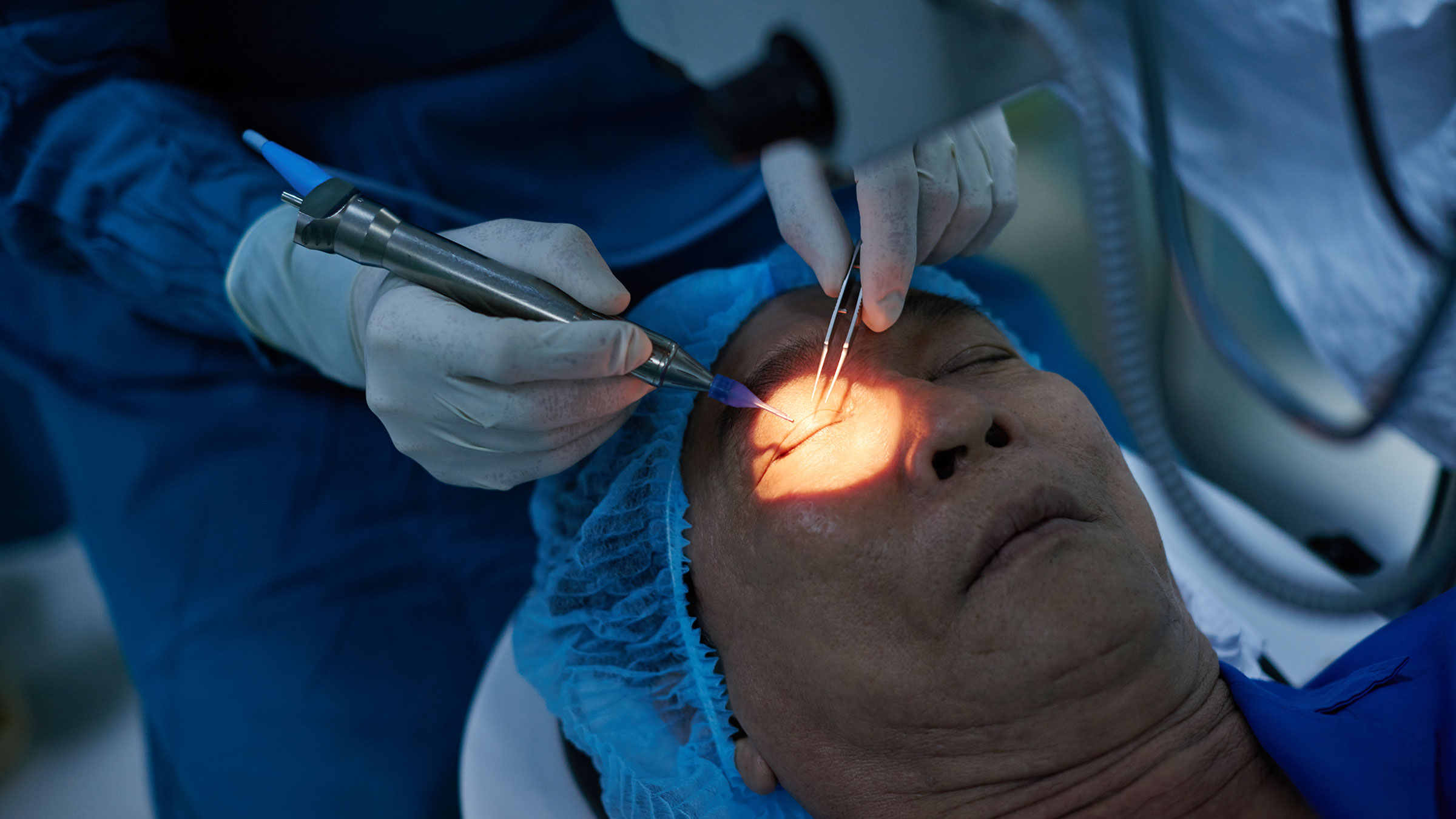
Glaucoma, a leading cause of irreversible blindness, requires adept management to preserve vision and quality of life. With advancements in medical science, the treatment landscape for glaucoma is evolving, offering a variety of options tailored to individual needs. Understanding these modern treatment methods is crucial for individuals affected by glaucoma and for those seeking to prevent its progression. This article delves into the contemporary approaches to glaucoma treatment, emphasizing the significance of early detection and the role of advanced medical interventions.
Understanding Glaucoma and Its Impact
Glaucoma is an eye condition characterized by increased intraocular pressure (IOP), leading to optic nerve damage. It often progresses without noticeable symptoms until significant vision loss occurs. This silent progression highlights the importance of regular eye examinations, especially for those at higher risk, such as individuals with a family history of glaucoma, those over 60, or people of African, Hispanic, or Asian descent.
Modern Treatment Options
Medication
Medications are typically the first line of defense in managing glaucoma. These medications aim to reduce intraocular pressure through various mechanisms:
- Prostaglandin analogs, which increase the outflow of the eye fluid.
- Beta-blockers, reducing the production of eye fluid.
- Alpha agonists, which both decrease fluid production and increase drainage.
- Carbonic anhydrase inhibitors, lowering eye pressure by reducing fluid production.
Proper adherence to prescribed medications is crucial for their effectiveness. Patients should consult their healthcare provider to ensure optimal usage and address any side effects.
Laser Treatments
Laser therapy has become a pivotal non-invasive option for glaucoma treatment. These procedures include:
- Selective Laser Trabeculoplasty (SLT), which enhances fluid drainage in the eye.
- Laser Peripheral Iridotomy, creating a small hole in the iris to improve fluid flow.
- Cyclophotocoagulation, targeting the eye’s ciliary body to reduce fluid production.
Laser treatments can significantly reduce the dependency on medications and are often considered when medications alone do not suffice. For further understanding, explore advanced guides and tips on laser treatments.
Surgical Interventions
When both medications and laser treatments are inadequate, surgical interventions may be necessary. These include:
- Trabeculectomy, a conventional surgery to create a drainage hole in the eye.
- Glaucoma drainage implants, which facilitate fluid drainage from the eye.
- Minimally Invasive Glaucoma Surgery (MIGS), a group of procedures providing safer and faster recovery options.
Surgical options are tailored to the individual’s specific condition and needs. Find out more about this approach to determine the most suitable surgical intervention.
The Importance of Early Detection
Early detection and regular monitoring are key components in the successful management of glaucoma. Comprehensive eye exams can identify early signs of glaucoma, enabling timely intervention. Learn about tailored solutions here to address specific patient needs.
In conclusion, understanding the modern treatment methods for glaucoma is vital for both patients and healthcare providers. By staying informed about the latest advancements, individuals can make educated decisions about their treatment options, potentially preserving their vision and enhancing their quality of life. For more information, discover expert strategies here.