
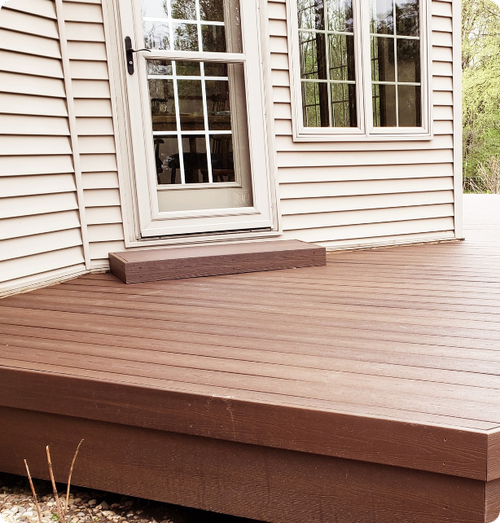
The exterior of a home plays a crucial role in creating a first impression. One of the most effective ways to enhance this aspect is through siding installation. Not only does it boost the aesthetic value of a property, but it also offers practical benefits such as insulation and protection from the elements. Siding installation is an investment that can transform the look of a home, making it more appealing and increasing its market value.
The Importance of Siding Installation
Siding serves as a protective barrier for a home, shielding it from weather conditions and external damage. It also contributes to the energy efficiency of a house by providing insulation, which can lead to reduced energy costs. Read more about this topic to understand the full range of benefits.
Types of Siding Materials
Choosing the right siding material is essential for achieving the desired look and functionality. Here are some popular options:
- Vinyl Siding: Known for its durability and low maintenance, vinyl siding is a cost-effective option that comes in various colors and styles.
- Wood Siding: Offers a classic and natural aesthetic. It requires more maintenance but is highly customizable.
- Fiber Cement Siding: A durable and fire-resistant material that mimics the look of wood or masonry.
- Metal Siding: Often used for a modern appearance, metal siding is robust and recyclable.
Learn more in this detailed guide about different siding options and how they fit various architectural styles.
Steps to Successful Siding Installation
Preparation
Proper preparation is key to a successful siding installation. This includes:
- Examining the existing exterior for any damage that needs repair.
- Ensuring the surface is clean and free from obstructions.
- Measuring accurately to purchase the correct amount of siding material.
Installation Process
The installation process typically involves:
- Removing old siding, if necessary, and preparing the wall surface.
- Applying a weather-resistant barrier to protect against moisture.
- Carefully installing the siding panels, ensuring they are level and secure.
- Completing the installation with appropriate trim and finishes.
Explore further insights here on the detailed steps involved in siding installation.
Benefits of Professional Siding Installation
While some may attempt a DIY approach, professional siding installation offers several advantages:
- Expertise in handling different materials and techniques.
- Access to specialized tools and equipment.
- Assurance of quality workmanship and warranty coverage.
- Time efficiency and reduced risk of errors.
Find additional information here on why professional installation is often the best choice for homeowners.
Conclusion
Upgrading a home’s curb appeal with siding installation is a strategic decision that offers both aesthetic and functional benefits. By selecting the right material and following a meticulous installation process, homeowners can enhance their property’s exterior, increase its value, and enjoy long-term benefits. Whether opting for a professional service or considering a DIY project, understanding the nuances of siding installation can lead to a successful upgrade.